For Laboratory Research Use Only. Not for human or veterinary consumption.
Support your tissue repair and regenerative research with high-purity BPC-157. This synthetic 15-amino-acid peptide, derived from a protective protein in human gastric juice, is one of the most extensively studied research peptides for angiogenesis, cell migration, and healing across multiple tissue types in preclinical models.
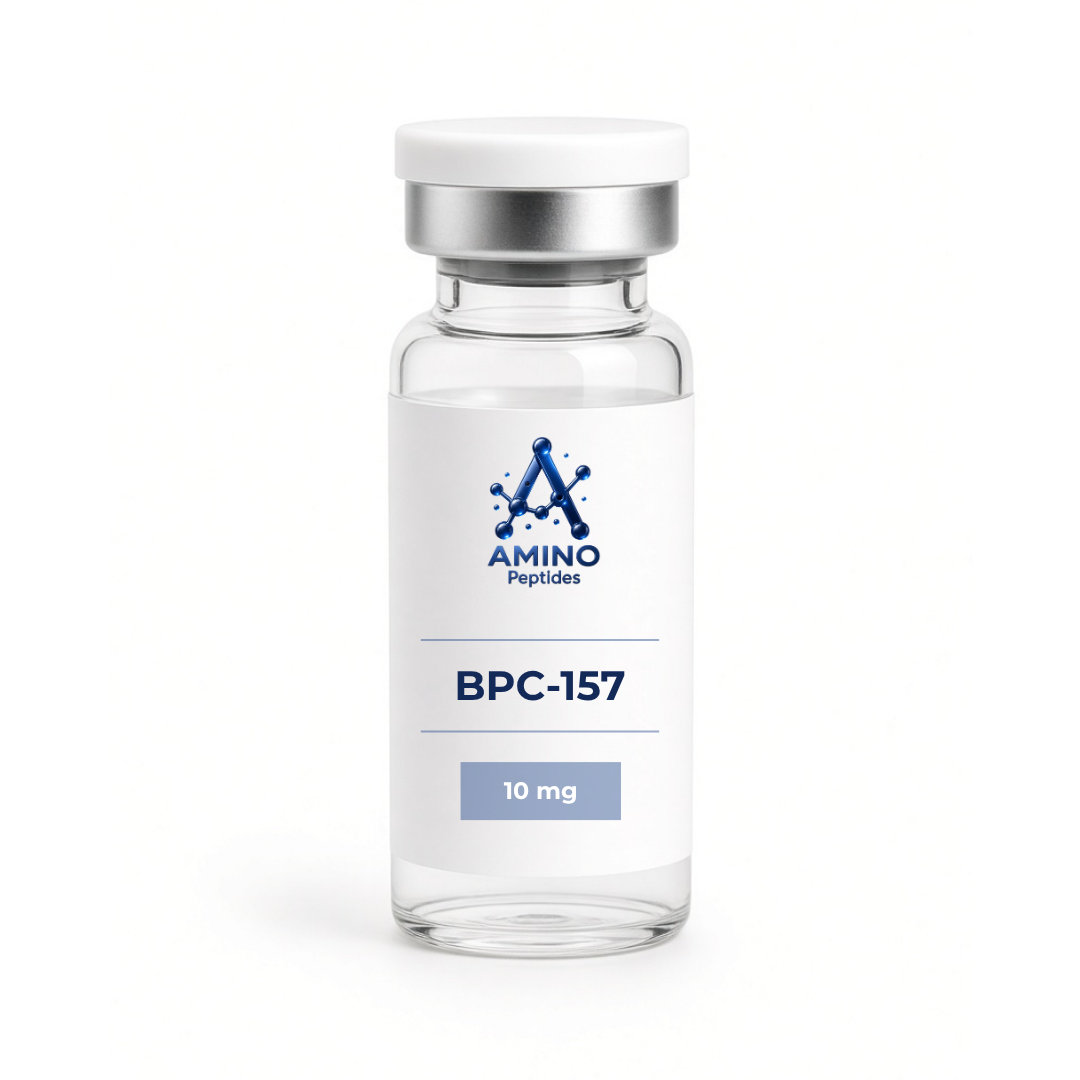
Supplied as lyophilized powder in a convenient 10 mg vial.
What is BPC-157?
BPC-157 (Body Protection Compound-157) is a pentadecapeptide with the sequence Gly-Glu-Pro-Pro-Pro-Gly-Lys-Pro-Ala-Asp-Asp-Ala-Gly-Leu-Val. Molecular weight approximately 1419 g/mol (CAS 137525-51-0). It is known for its stability in gastric environments and multi-pathway effects on tissue repair signaling.
How is BPC-157 Used in Research?
Commonly reconstituted with bacteriostatic water and used in:
Cell migration, adhesion, and tube formation assays
VEGFR2, FAK-paxillin, and nitric oxide pathway studies
Preclinical models of tendon, ligament, muscle, gut, and skin repair
Reconstitution example: Add 1-2 mL bacteriostatic water. Gently swirl. Refrigerate reconstituted solution (2-8 °C), use within 28 days.
Key Research Findings
Phase 2 obesity trial: up to ~24% mean body-weight reduction at 48 weeks (12 mg dose).
Phase 3 TRIUMPH-1: substantial weight reductions reaching approximately 25% at the highest dose over 80
weeks.
Phase 3 TRIUMPH-2 (with type 2 diabetes): meaningful body-weight reductions plus improved glycemic control.
Marked reductions in liver fat reported in research settings.
All data are from published clinical research. This product is supplied strictly for laboratory investigation.
Key Research Findings
Promotes angiogenesis via VEGFR2 upregulation and nitric oxide pathway modulation.
Accelerates healing of tendon, ligament, muscle, and gastric tissue in rodent models.
Supports cell migration and survival through FAK-paxillin, JAK-2, and ERK1/2 signaling.
Extensive preclinical evidence; human data remain limited. Supplied for laboratory research only.
Product Specifications
Content: BPC-157 research peptide
Amount: 10 mg per vial
Form: Lyophilized powder
Purity: ≥98%
Intended use: Laboratory research only
Why Choose Our BPC-157?
High purity, third-party tested, Certificates of Analysis available. Reliable supply for consistent research results.
Advance your regenerative research with BPC-157 10 mg today.
Frequently Asked Questions
What is BPC-157?
A synthetic 15-amino-acid peptide derived from a gastric protein, studied for tissue repair and angiogenesis.
How is it used in research?
Reconstituted for in vitro assays and preclinical animal models of healing.
What do studies show?
Accelerated healing and angiogenesis in multiple preclinical tissue injury models.
Storage?
Lyophilized frozen or refrigerated; reconstituted refrigerated, use within 28 days.